Cat Playtime Is Essential for Preventing Cat Behavior Problems
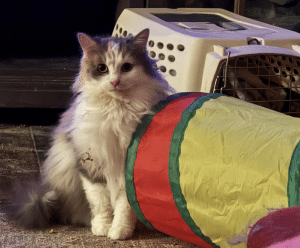
Many common behavior complaints in cats are actually rooted in unmet play and enrichment needs. Indoor cats are natural hunters, yet their daily environment often provides few opportunities to stalk, chase, and capture prey. Without appropriate outlets for this instinctive behavior, cats may develop frustration, excess energy, or stress. This can lead to issues such as attacking feet or hands, destructive scratching, nighttime activity, excessive vocalization, or conflicts with other pets.
Structured interactive play helps meet both the physical and emotional needs of cats. Regular play sessions allow cats to release energy in a healthy way, improve coordination and confidence, and strengthen their bond with their human caregivers. Play also supports mental stimulation, helping reduce boredom and preventing behavior problems that can arise when cats lack environmental enrichment. Even short daily sessions using wand toys, balls, or puzzle feeders can make a significant difference in a cat’s overall wellbeing.
Cat parents may notice that increasing appropriate playtime leads to calmer behavior, improved sleep routines, and fewer unwanted habits. Play can also be especially important in multi-cat households, where it helps reduce tension and provides each cat with an individual outlet for natural hunting instincts.
Read the full Catster article below for practical guidance on choosing toys, structuring play sessions, and creating a more engaging environment for your cat.