Why Cats Seem to Hold Grudges
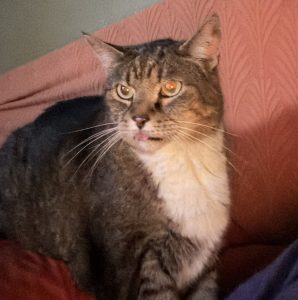
Many cat owners worry that their cat is “holding a grudge” after an unpleasant experience such as a vet visit, grooming session, or household change. A normally affectionate cat may suddenly avoid interaction, hide more often, or act defensive. These reactions can feel personal, leading people to believe their cat is angry or intentionally punishing them. Understanding what is actually happening can help prevent misunderstandings and reduce stress for both cats and their caregivers.
So, do cats hold grudges? In reality, what looks like a grudge is usually a response to fear, discomfort, or disrupted routine. Cats rely heavily on predictability and environmental stability. When something unsettling occurs, they may temporarily withdraw or become cautious as they process the experience. This behavior is not driven by resentment, but by instinctive efforts to feel safe again. With time and positive interactions, most cats gradually return to their normal patterns.
Building trust after a stressful event involves patience and thoughtful adjustments. Maintaining consistent routines, offering gentle play opportunities, and allowing the cat to approach at their own pace can help rebuild confidence. In multi-cat homes or busy households, reducing environmental stressors can also support emotional recovery.
Read the full Catster article below for deeper insight into feline emotional responses and practical strategies to strengthen your relationship with your cat.
If your cat’s behavior changes persist or worsen, a professional feline behavior consultation can help identify underlying stressors and create a personalized support plan.