Feline non-recognition aggression can make cats that previously got along suddenly act as though they hate each other. It often happens after one cat returns from a veterinary appointment, grooming visit, boarding stay, or another unfamiliar environment.
By Rita Reimers, Cat Behaviorist

Feline Non-Recognition Aggression Explained
Have you ever brought one cat home from the veterinarian, only to have another cat react as though they have never met? You may see hissing, growling, swatting, chasing, or even a serious fight.
Your cat has not developed amnesia. The returning cat simply smells unfamiliar. Because scent plays such an important role in feline recognition, that change can make a familiar companion seem like a stranger or possible intruder.
What Is Feline Non-Recognition Aggression?
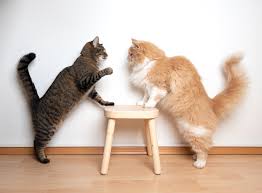
Feline non-recognition aggression occurs when one cat temporarily fails to recognize a feline housemate. It most commonly happens after one cat has been away from home, particularly for a veterinary visit or grooming appointment.
The returning cat may carry the scents of medications, cleaning products, other animals, unfamiliar people, or the veterinary office itself. Anesthesia, illness, stress, or changes in movement and behavior can also make that cat seem different.
The stay-at-home cat may respond defensively because the returning cat no longer matches the familiar scent and behavior profile they expect. In more serious cases, that stress can lead to chasing, fighting, hiding, resource guarding, or redirected aggression toward people.
Why Cats Suddenly Turn on Each Other

Cats recognize one another through a combination of scent, appearance, movement, and familiar behavior. Scent is especially important.
Imagine your best friend returning from a spa looking the same but smelling like an unfamiliar mixture of perfume, lotions, and seaweed wrap. You know something is familiar, but something also feels wrong. Your cat experiences a much stronger version of that uncertainty and may respond defensively.
It is not personal, and neither cat is being mean or holding a grudge. One cat feels threatened, while the other may become frightened or defensive in response. Once both cats become agitated, the conflict can escalate quickly.
Signs of Feline Non-Recognition Aggression

If your cats suddenly seem like they hate each other following a separation, you may notice:
- Staring, hissing, or growling at the returning cat
- Swatting, chasing, lunging, or fighting
- Avoiding one another or hiding
- Puffed tails, flattened ears, arched backs, or other defensive body language
- Blocking access to food, litter boxes, doorways, or favorite resting spots
- Redirected aggression toward another cat or a person
What to Do When Your Cats Suddenly Hate Each Other
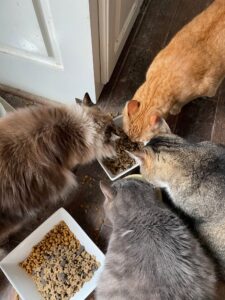
Do not force your cats to work it out. A frightening confrontation can create a lasting negative association that makes the relationship harder to repair.
If a fight has already started, never place your hands between the cats. Use a large piece of cardboard, a laundry basket, a blanket, or another safe barrier to block their view and guide them apart.
1. Separate the Cats
Place the returning cat in a quiet room with food, water, a litter box, comfortable bedding, and a hiding place. A closed door allows both cats to calm down without another confrontation.
Even if the cats appear calmer after a few hours, do not immediately put them together again if either cat is still staring, growling, hiding, or showing other signs of tension.
2. Allow the Returning Cat to Settle
Give the returning cat time to groom, rest, recover from the trip, and begin smelling like home again. A cat recovering from anesthesia, illness, pain, or a stressful veterinary procedure may also behave or move differently, so additional recovery time may be necessary.
3. Exchange Familiar Scents Carefully
Place bedding or soft items carrying each cat’s scent in the other cat’s space. You can also exchange sleeping blankets or beds between their rooms.
Do not rub a towel directly over a frightened or agitated cat, and do not force either cat to investigate the scented object. Simply place it nearby and allow the cat to approach when ready.
4. Rebuild Positive Associations
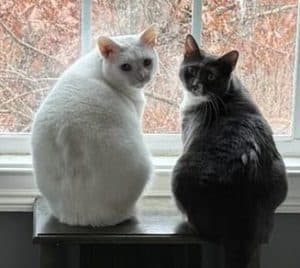
Feed the cats or offer favorite treats on opposite sides of the closed door. Begin far enough from the door that both cats can eat comfortably. Over time, gradually move the dishes closer as long as both cats remain relaxed.
The goal is to help each cat associate the other cat’s scent and presence with something pleasant, rather than with fear or conflict.
5. Begin a Gradual, Supervised Reintroduction
When both cats are calm near the closed door, allow brief visual contact through a secure screen door, tall gate, or other safe barrier. Keep these sessions short and positive.
Watch their body language carefully. Relaxed postures, normal eating, playing, grooming, and looking away from one another are encouraging signs. Staring, crouching, tail lashing, growling, or refusing treats means you need to increase the distance or return to the previous step.
Do not move to unrestricted contact until both cats can remain relaxed during multiple supervised sessions.

6. Give the Process Enough Time
Mild cases of feline non-recognition aggression may resolve within several hours or a few days. More intense confrontations can require a complete reintroduction lasting days or longer.
Let the cats’ behavior determine the pace. Moving too quickly can restart the conflict and prolong the recovery process.
Are your cats still separated after a vet visit? If attempts to bring them back together keep ending in staring, chasing, or fights, I can help you plan a gradual reintroduction around your cats and your home. Explore a private consultation
Can Calming Products Help?
Calming products may help lower a cat’s overall stress level, but they do not replace separation and a gradual reintroduction. Some cats respond to products such as Rescue Remedy for Cats, Cat Calm, or calming treats.
Every cat is different, so a product that helps one cat may have little effect on another. Introduce only one new product at a time and discuss supplements with your veterinarian, especially if your cat takes medication or has a medical condition.
Preventing Non-Recognition Aggression

You cannot always prevent feline non-recognition aggression, but you can reduce the risk:
- Prepare a separate recovery room: Give the returning cat a quiet place to settle before seeing the other cats.
- Bring something that smells like home: Place familiar bedding in the carrier for the trip, provided it can be kept clean and dry.
- Allow time for grooming and recovery: Do not rush the returning cat back into the household while they are still stressed, groggy, or moving differently.
- Keep homecomings calm: Avoid crowding the carrier or allowing several cats to surround the returning cat.
- Consider joint appointments carefully: Taking closely bonded cats together may help in some households, but traveling together can also increase stress. Base this decision on the individual cats.
- Have a plan if this has happened before: If your cats have a history of non-recognition aggression, separate them immediately after future appointments and reintroduce them gradually.
When to Contact Your Veterinarian
Contact your veterinarian if either cat was injured, appears painful, stops eating, has difficulty using the litter box, or shows an abrupt change in behavior. Pain or illness can contribute to aggression, and a returning cat may need additional recovery care.
A veterinary examination is also important when aggression begins without a recent separation or obvious scent-related event.
Feline Non-Recognition Aggression: Final Thoughts
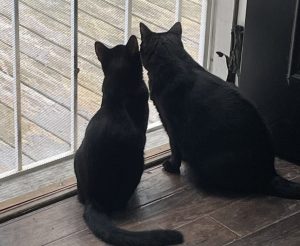
Feline non-recognition aggression can be alarming, but it does not necessarily mean your cats’ relationship has been permanently damaged.
Separation, patience, careful scent exchange, and a gradual reintroduction can help most cats feel comfortable together again. The key is to prevent additional confrontations and move at the pace your cats can handle.
Have Your Cats Experienced Non-Recognition Aggression?
Share your experience in the comments. We would love to hear how you restored peace in your feline kingdom.