
Pawsome Playtime: How to Entertain Your Cat (Without Becoming Their Personal Prey)
by Rita Reimers, Multi Cat Behavior Expert
Learning how to play with your cat is essential to his (and your) well-being! From wand toys to puzzle games, learn how to prevent boredom, encourage exercise, and avoid common playtime mistakes.

If you’ve ever found yourself dodging an unexpected ambush from your feline friend, you might not be playing with them enough—or at least not the way they prefer! Learning how to play with your cat is an essential part of ensuring his well-being.
Playtime isn’t just for fun; it’s essential for keeping your cat mentally sharp, physically active, and less likely to turn your toes into midnight snack targets.
So, let’s dive into the art of entertaining your whiskered companion without turning yourself into their favorite chew toy.
Why Play is Important

Cats are natural hunters, and playtime is how they satisfy their instincts in a safe, engaging way. Learning how to play with your cat regularly helps prevent boredom (which can lead to destructive behaviors), promotes exercise to keep them fit, and strengthens the bond between you and your kitty.
Plus, a tired cat is a well-behaved cat—meaning fewer 3 a.m. zoomies across your face.
Types of Play: Keeping Things Fresh
Not all cats enjoy the same kind of play, so experimenting with different types will help you discover what excites your furry friend most.
-
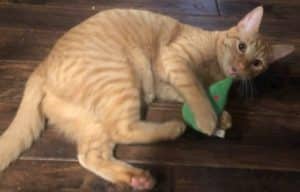
Simba loves his catnip toys Chase and Pounce – Wand toys with feathers, strings, or even little bells can simulate prey and get your cat leaping and lunging.
- Hunting Games – Hide treats or toys around the house for your cat to “hunt” and find.
- Puzzle Play – Food puzzles or treat-dispensing balls challenge their brain while rewarding their efforts.
- Interactive Play – Engaging with your cat directly using wand toys, laser pointers (with a final ‘catch’ to avoid frustration), or even hide-and-seek games keeps things interesting.
- Solo Play – Not around? No problem! Toys like spring coils, stuffed kickers, and electronic mice can keep them entertained when you’re busy.
Best Toys for Maximum Fun

There are endless toys on the market, but here are some of the best for feline fun:
- Da Bird Wand Toy – A classic favorite that mimics a bird in flight.
- Catnip Kickers – Perfect for cats who love to bunny kick their prey.
- Interactive Laser Toys – Hands-free lasers that move unpredictably.
- Crinkle Tunnels – Great for hiding, dashing, and ambushing.
- DIY Options – A simple paper ball or cardboard box can be just as exciting as the fanciest toy.
Avoid these Common Mistakes
-
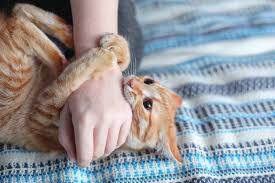
Overstimulation can lead to biting Using Your Hands as Toys – It might be cute at first, but it teaches your cat that biting and scratching human skin is okay. (Your future self will not thank you!)
- Overstimulation – Some cats get too excited and may start biting or swatting aggressively. Watch their body language and give them breaks.
- Ignoring Play Preferences – If your cat doesn’t love the laser pointer, try a different toy. Every cat has their own favorite way to play!
- Skipping Cool-Down Time – Just like real hunting, cats need a chance to wind down after play. Let them catch their “prey” at the end to avoid frustration.
When Kitty Play Goes Astray
If your cat turns into a zooming maniac or gets a little too aggressive, don’t panic. Redirect their energy into a different type of play, use a slow-blink technique to calm them down, or offer a treat puzzle to refocus their mind.
Final Thoughts About How to Play with Your Cat
Playing with your cat isn’t just about burning energy—it’s about building a stronger bond and keeping their wild instincts satisfied in a positive way. So grab that wand toy, stock up on catnip, and let the games begin! (Just keep your toes out of the danger zone.)
For more information and informative Step-By-Step demonstration about getting your cat to engage in play, please watch the wonderful video from my friend, Dr. Rachel Geller.
Play: It’s Not Just Fun and Games
What’s your cat’s favorite way to play? Share your funny feline antics in the comments! 😸
Need Help with Your Cat’s Behavior?
Rita Reimers provides judgment-free virtual cat behavior consultations for litter box issues, aggression, introductions, anxiety, and more.






Leave a Reply