Is My Cat Happy?
The Purr-plexing Truth Behind the Purr
by Rita Reimers, Multi Cat Behavior Expert
Have you ever been curled up with your cat, listening to that gentle, rhythmic purr and wondered, Why do they do that? Most people assume purring is a sign of happiness—and while that’s often true, the story goes much deeper.
In fact, purring is one of the most mysterious behaviors in the feline world. It’s not just a cute sound—it’s a form of communication, a self-soothing mechanism, and even a built-in healing superpower.
So, what’s really behind the magic of a cat’s purr? Let’s unravel this purrplexing mystery.
The Science Behind the Purr

Purring isn’t just a casual sound—it’s a biological wonder. Unlike meowing, which involves the movement of vocal cords, purring happens when a cat’s brain sends repetitive neural signals to the muscles in their larynx (voice box). This causes the vocal cords to vibrate as the cat breathes in and out, creating that soothing, rumbling sound we all love.
But here’s where it gets even more interesting: Cats purr at a frequency of 25 to 150 Hertz (Hz)—a range that has been scientifically linked to healing properties in both cats and humans. Some studies suggest that these vibrations can promote bone density, tissue repair, and even pain relief. It’s as if cats come with their own built-in wellness therapy!
5 Reasons Why Cats Purr
1. Happiness & Contentment
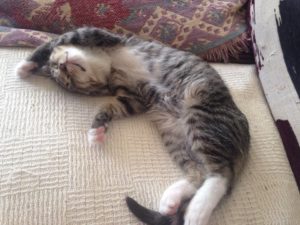
The most common reason cats purr? They’re simply happy! If your kitty is curled up on your lap, kneading you with their paws, and purring away, congratulations—you’re officially their favorite human (at least for the moment).
2. Self-Healing & Pain Relief
Here’s where the science gets fascinating. Studies show that purring can help:
- Heal bones and wounds
- Reduce swelling and inflammation
- Relieve pain
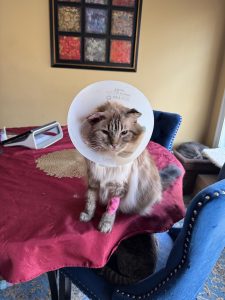
This might explain why cats purr when they’re injured, recovering from surgery, or even just feeling a little under the weather.
3. Communication: Mother-Kitten Bonding
Mother cats start purring right after giving birth, and their kittens quickly learn to purr back. This isn’t just a cute interaction—it’s essential for survival. Since newborn kittens are born blind and deaf, purring helps them locate their mother and lets her know they’re safe and well-fed.
4. Stress & Anxiety Relief
If you’ve ever heard your cat purring at the vet, while hiding under the bed, or even during a thunderstorm, they might not be happy—they might be nervous! Purring acts as a built-in calming mechanism, helping cats soothe themselves in stressful situations.

5. The “Feed Me” Purr (a.k.a. Feline Manipulation 101)
Cats are masters of getting what they want, and some have developed a special type of purr specifically to make humans cave in.
Studies have shown that some cats blend their normal purr with a high-pitched cry that mimics a baby’s wail—triggering their humans’ instinct to respond. Sneaky, right?
Do Other Animals Purr?
Cats aren’t the only purr-producers in the animal kingdom! Other animals that purr include:
- Cheetahs – They purr like house cats, especially when content.
- Guinea Pigs – They have their own version of purring, often when they’re happy (or demanding food).
- Raccoons – These mischievous little creatures purr when they’re relaxed.
- Elephants – Yes, even elephants produce a deep, rumbling purr-like sound to communicate with their herd!
Interestingly, big cats like lions and tigers don’t purr the way house cats do. Instead, they can only produce a purring-like sound when exhaling, unlike domestic cats who can purr continuously while breathing in and out.
The Healing Power of Purring (for Humans, Too!)
You’re not imagining it—spending time with a purring cat is actually good for you! Studies have found that a cat’s purr can:
- Lower stress and anxiety
- Reduce blood pressure
- Help with healing and pain relief
- Even decrease the risk of heart disease!
It’s no wonder that therapy cats have become more common in hospitals and nursing homes. Their presence—and their soothing purrs—bring comfort and healing to humans, just as they do for themselves.
Conclusion

So, why do cats purr? The truth is, they purr for many reasons—happiness, healing, communication, and even to manipulate their favorite humans into giving them extra treats. (We see you, kitty!)
Next time your cat curls up and starts purring, take a moment to appreciate the magic behind the sound. Whether they’re soothing themselves, bonding with you, or subtly demanding dinner, one thing’s for sure: The feline purr is one of nature’s greatest mysteries—and one of its best gifts.
And hey, maybe we should take a cue from our cats and start purring to de-stress. Worth a try, right? 😸
Need Help Solving Your Cat’s Behavior Problems?
Book a Cat Behavior Session with Rita Reimers and get a personalized plan to resolve your cat’s behavior issues.
Book a Cat Behavior Session

Leave a Reply