 The Gentle, Stress-Free Way
How to trim your cat’s nails without stress, fear, or scratches.
Written by Cat Behaviorist Rita Reimers
Why Trimming You Cat’s Nails Matters
Cats use their claws for balance, stretching, climbing, and self-confidence. Scratching is natural, but if your kitty’s nails get too long, they can snag on furniture, carpet, or even their own fur—ouch!
Regular nail trims keep your cat comfortable, protect your furniture, and help prevent accidental scratches. Best of all, it’s an easy bonding routine once your cat learns it’s nothing to fear.
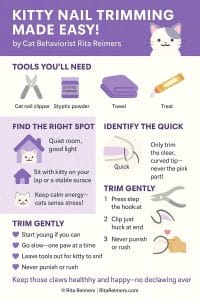
✂️ Tools You’ll Need
 Before you begin, gather these supplies:
- Cat nail clippers (or human-style trimmers)
- Styptic powder or cornstarch (for accidental nicks)
- A towel or soft blanket
- Treats or Churu for positive reinforcement
- Good lighting and calm energy
Having everything ready means you won’t have to scramble mid-trim—cats pick up on stress fast!
Get Kitty Comfortable
Choose a quiet space and time when your cat is relaxed—after playtime or a meal works well.
Sit on the floor or a comfy chair with your cat in your lap. Gently pet their head, cheeks, and paws. If your cat pulls away, stop and try again later. Patience is key!
If your cat’s new to nail trims:
- Touch and hold their paws briefly each day to build tolerance.
- Reward calm behavior with treats and praise.
- Leave clippers out so your cat can sniff them and feel safe.
 Find the Quick
Gently press your cat’s paw pad until the claws extend. You’ll see the translucent nail and, inside, a pink area called the quick. That’s where nerves and blood vessels live—you don’t want to cut into that!
Trim only the clear, hooked tip of the nail. If you’re unsure, start conservatively. It’s better to trim less and repeat more often than to cause pain.
 Step-by-Step: How to Trim Your Cat’s Nails
- Extend the paw: Gently squeeze the pad and toe to reveal the claw.
- Clip the tip: Cut just the curved hook—avoid the quick.
- Reward immediately: Praise your cat, offer a treat, or pet them.
- Repeat slowly: Do one paw at a time. You can always finish later if your cat loses patience.
Some cats prefer a partner to gently hold them or distract with treats. If you’re alone, wrapping your kitty in a towel (“cat burrito style”) can help.
🐈⬛ Tips for a Stress-Free Experience
- Start nail care when your cat is young if possible.
- Never punish or scold if your cat resists.
- Keep your tone calm and encouraging.
- Stop immediately if your cat growls, hisses, or struggles—try again later.
- Consistency is better than perfection—short, frequent trims beat long stressful ones!
If You Accidentally Hit the Quick
Don’t panic! Even professionals occasionally nick the quick. Apply a small pinch of styptic powder or cornstarch to stop bleeding. Calm your cat and end on a positive note—you can try again another day.
💗 Senior Cats and Special Needs
 Older cats, arthritic kitties, or declawed rescues may have extra-sensitive paws. Go slower, support their joints, and make nail care part of gentle cuddle time. If your cat absolutely refuses trims, ask your vet or groomer to demonstrate fear-free handling techniques.
Missy’s Story
When 14-year-old Missy and her brother Scooter came to live with me, her claws were very long. I know her previous human was sick and had passed away so I can only assume she was unable to do things like trimming nails.
In fact, Missy’s front nails were so long, one was beginning to touch her paw pads, and would eventually grow into the pad if I didn’t do something. Missy, a Norwegian Forest Cat with a big personality, was having no part of getting a manicure. But it was essential that we get those nails trimmed.
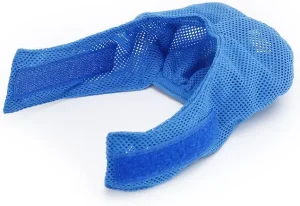 Before resorting to taking her to the vet’s office for a nail trim, I first tried getting kevlar gloves to protect my hands as I attempted nail trims; Missy bit right through those. So I then decided to try using a muzzle. I know, I know, I don’t like them as a rule either, but the trim was needed; this was my last try before resorting to the vet. (There are no cat grooming services where I live.)
I wanted a breathable muzzle, so I chose the Mapifly Cat Muzzle Breathable Mesh Cat. The muzzle was easy to put on Missy, and she didn’t seem to mind it. More importantly, she cooperated fully with her manicure, and it only took a few minutes to save her paw pads from injury.
 If You Can’t Trim Your Cat’s Nails Alone
If you just cannot accomplish doing nail trims alone, you can take your cat to the veterinarian. If you have a local mobile cat groomer, having someone experienced come to your home is always a good choice to keep both you and your kitty calm and those nails trimmed.
Final Thoughts from Rita
Trimming your cat’s nails doesn’t have to be scary. With patience, love, and positive reinforcement, it becomes a moment of trust between you and your feline friend.
And remember—keeping claws healthy and natural means no need for declawing, ever!
If you haven’t read my article “Declawing Cats: Why It Hurts More Than It Helps,” check it out next for the full story on why claws matter.
Need Help with Your Cat’s Behavior?
Rita Reimers provides judgment-free virtual cat behavior consultations for litter box issues, aggression, introductions, anxiety, and more.
Book Your Private Session with Rita
Leave a Reply