They Should Be Used to Each Other by Now
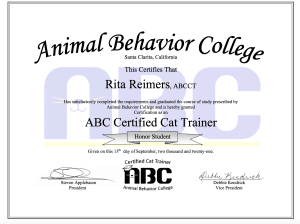
by Rita Reimers, Multi Cat Behavior Expert
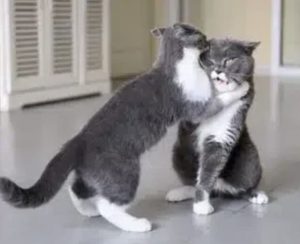 Do your cats still hate each other? You followed the advice. You introduced your cats carefully, gave them time to adjust, and hoped they would eventually become friends. Weeks turned into months, yet they still hiss, chase, swat, or avoid one another.
If you’re wondering why your cats still hate each other, you’re not alone. One of the biggest misconceptions about introducing cats is that time alone will fix a difficult relationship. While some cats naturally become more comfortable over time, many don’t, especially when the real cause of the conflict hasn’t been identified.
If your cats still seem to dislike each other months after meeting, there’s usually an underlying reason. Finding that reason is the first step toward helping them live together more peacefully.
Every Cat Relationship Is Different ⭐
 You’ve searched the web, read books and articles, and watched YouTube videos. Maybe you’ve even tried pheromone plug-ins, calming treats, or other recommendations. So why isn’t it working?
Because every situation is different. Every cat has a unique personality, different life experiences, and a unique relationship with the other cats in the home. That’s why advice that works perfectly for one family may not work at all for yours.
A few different things could be happening in your situation:
- The cats may be struggling because one cat is fearful
- Another pair might have an overly-dominant cat
- One cat might not be spayed/neutered yet
- Another pair may be competing over resources
- Intial introduction may have moved too quickly
- Two cats might be ganging up on the new third cat
- Redirected aggression or even an underlying medical issue may be complicating their relationship
- Or it could be something else altogether
The behaviors can look very similar, but the reason behind them, and the best path forward, can be completely different. Identifying the catalyst to lingering trust issues between the cats will help discover effective steps toward a solution.
The Internet Can’t Tell You Which Cats You Have
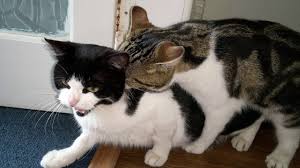 You might be able to get some generic advice from the internet, but it may or may not be accurate. More often than not, those articles are solving a different problem than the one your cats are actually experiencing. Without understanding what’s really driving the behavior, it’s easy to spend months trying advice that was never meant for your cats in the first place.
The other missing piece is that articles and videos are static. They can’t evolve as your cats do. Cat behavior modification isn’t a one-time event. It’s a process. As your cats begin responding, the plan often needs to be adjusted based on what they’re telling us. That’s something a generic article or video simply can’t do.
What Does Success Look Like?

When people imagine success, they often picture two cats cuddling together on the sofa. While that certainly happens in some households, it’s not the only measure of success.

For many cats, success means they can share a home without fear. They can pass one another in the hallway without hissing. They can eat in the same room. They can relax instead of constantly watching for the next confrontation.
Some cats become best friends. Others simply learn to coexist peacefully. Both can be successful outcomes because every cat relationship is different.
Peaceful coexistence is the goal, friendship is a bonus.
Do Your Cats Still Hate Each Other Now?
There isn’t one right solution because there isn’t one right problem. Every cat relationship is different, and together we’ll find the right solution for yours.
Need Help with Your Cat’s Behavior?
Rita Reimers provides judgment-free virtual cat behavior consultations for litter box issues, aggression, introductions, anxiety, and more.





Leave a Reply