De-stress Your Kitty Today – Follow My Guide
Written by Cat Behaviorist Rita Reimers
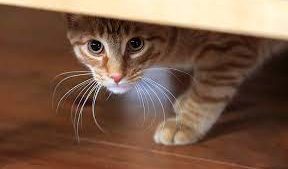
You love your cat. You provide gourmet meals, the best scratching posts, and even let them sleep in your bed (let’s be honest, they own it now). But despite all that, your cat may still be secretly stressed—and plotting their revenge. 😼
Here are 10 subtle signs your feline overlord might be feeling anxious and how to fix it, before they leave you a “surprise” outside the litter box!
1. Excessive Grooming: The Bald Spot Blues

Sign: Your cat is licking, chewing, or pulling out fur like they’re preparing for a feline fashion show… but with unfortunate bald spots.
Why It Happens: Stress can trigger compulsive grooming as a coping mechanism. It’s like when humans bite their nails—except your cat ends up with an unfortunate case of patchy fluff. This sign of stress in cats could also be a food allergy, fleas, or other such issue so be sure to rule those out first.
How to Fix It:
- Rule out medical issues first—over-grooming can also be a sign of allergies or skin irritation.
- Identify the stressor: Did you move the couch three inches? Introduce a new pet? Start using a different laundry detergent? (Cats notice everything.)
- Try a calming aids like Rescue Remedy for Cats, providing more interactive playtime, and providing cozy hiding spot for your cat to de-stress.
2. Avoiding the Litter Box: A Smelly Protest
 Sign: Your cat, once a reliable bathroom user, is now peeing and/or pooping outside the litter box, or hesitating before stepping in. It’s a sure sign of feline stress and anxiety.
Why It Happens: Stress can make your cat feel uncomfortable using the litter box, especially if it’s dirty, in a high-traffic area, or has the wrong litter type.
 How to Fix It:
- Keep the box clean—cats hate a dirty toilet as much as you do.
- Try different types of litter and make sure the box is in a quiet, accessible spot.
- Consider multiple boxes for multi-cat households.
PRO TIP: Clean any mistakes with a safe enzymatic cleaner like Anti Icky Poo. I use this regularly, even in the laundry!
3. Hiding More Than Usual: The Vanishing Act
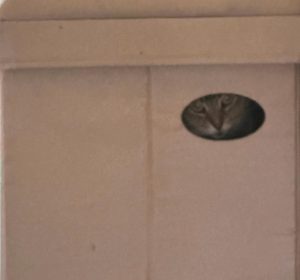
Sign: Your cat is suddenly harder to find than your motivation to do laundry. He is definitely avoiding something stressful.
Why It Happens: When cats feel stressed, they often hide to feel safe. If your cat used to hang out with you on the couch but is now exclusively under the bed, stress might be the reason.
How to Fix It:
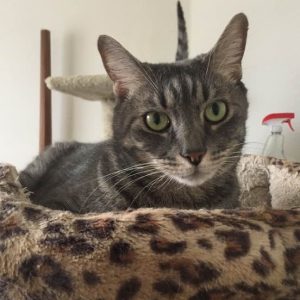
- Create safe zones with cozy beds or cardboard boxes in quiet areas where your cat can retreat.
- Let them come out on their own terms—don’t force interaction.
- Reduce household stressors like loud noises or sudden changes in their routine.
4. Random Aggression: The Mood Swings of Doom
 Sign: Your sweet furball has turned into a tiny, rage-fueled tornado of claws.
Why It Happens: Stress can make a normally chill cat behave aggressively, often because they feel cornered or overstimulated.
How to Fix It:
- Give them space—forcing cuddles when they’re not in the mood is a terrible idea.
- Use positive reinforcement to reward calm behavior with treats and affection.
- If they’re lashing out at another pet, do slow reintroductions instead of a “figure it out” approach.
PRO TIP: See my article, Cat Meets Cat, for more information about Cat Introductions and Signs of Cat Stress
5. Pacing or Restlessness
Sign: Your cat is pacing the house like a stressed-out CEO before a big presentation.
Why It Happens: Stress or boredom can cause pacing, sometimes accompanied by meowing. Your cat may feel like they’re in a high-stakes meeting, but it’s just their internal anxiety.
How to Fix It:
- Add more vertical spaces like cat trees or shelves, where they can perch and feel secure.
- Increase interactive play, especially with puzzle toys that challenge their mind.
- Stick to a routine—cats thrive on predictability, and anxiety often comes from a lack of consistency.
PRO TIP: One of my favorite cat trees with its sleek modern design and enough perches for multiple cats (important for me with 16 rescues here!) is the Lorna Wooded Stand Cat Tower by Meowzoom.
6. Sudden Appetite Changes: Buffet or Boycott?
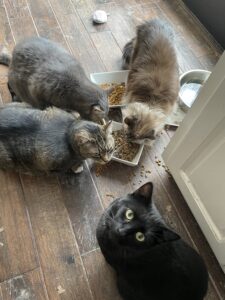 Sign: Your cat is either eating everything in sight or refusing food altogether. Refusing food or overeating are classic signs of cat stress (just like with humans).
Why It Happens: Stress affects appetite, much like in humans. If your cat is stressed, they might either binge eat as a coping mechanism or refuse food completely.
How to Fix It:
- Keep mealtime consistent—cats love routine.
- Make sure the food dish is in a quiet, calm area with minimal distractions.
- Rule out underlying health issues—if stress is the cause, food refusal often happens during changes in their environment.
PRO TIP: For me, my cat’s mealtimes are now at consistent times, but this wasn’t always the case, especially when I was a cat sitter. If your cat’s mealtimes vary due to work or school schedules, it will help to create a routine around mealtimes, with consistent Word Associations, such as “Something to Eat?” or “Are you hungry?” The routine plus the words will let the cats know they are only getting fed under those circumstances.
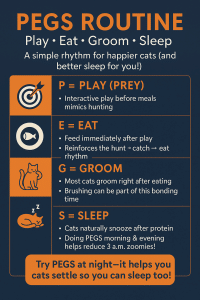
Use my PEGS Routine to help make mealtime activities the same for each meal.
7. Flicking Tail or Pinned Ears: The Warning Signals
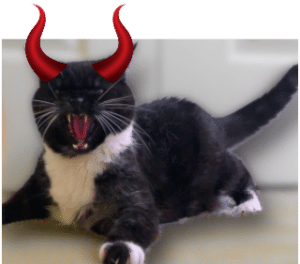
Sign: Your cat’s tail is twitching like it’s receiving radio signals from space, or their ears are flattened back.
Why It Happens: A flicking tail and pinned ears are clear signs your cat is annoyed, overstimulated, or feeling anxious.
How to Fix It:
- Respect their boundaries. If they’re showing signs of irritation, stop petting or interacting with them.
- Learn to recognize their body language: Flattened ears = “I’m done with this.”
- If your cat is overstimulated, back off and allow them to come down from their anxiety.
Here is a little cheat sheet about Cat Body Language:

8. Excessive Meowing or Yowling: The Attention-Seeking Crier

Sign: Your cat is yowling nonstop, especially at night when you’re trying to sleep.
Why It Happens: Cats vocalize when they’re stressed, trying to communicate their needs. They may feel insecure, anxious, or simply want attention.
How to Fix It:
- Make sure they have plenty of stimulation during the day—play with them before bed so they’re tired.
- Keep their routine predictable and calm, especially around bedtime.
- If the yowling persists, check for medical issues like dental pain or a urinary tract infection.
9. Knocking Things Over or Destructive Behavior

Sign: Your cat suddenly becomes a tiny wrecking ball, knocking things off shelves or scratching everything in sight. Another of the classic signs of cat stress and/or boredom.
Why It Happens: Stress can lead to attention-seeking behavior. Your cat may be trying to get your attention by being destructive.
How to Fix It:
- Provide appropriate outlets for their energy, like scratching posts or cat trees.
- Increase playtime and make sure they have plenty of toys to engage with.
- If the destructive behavior is happening while you’re away, try using a calming diffuser or treat-filled puzzle toys.
10. Changes in Sleeping Habits: The Purring Pile of Stress
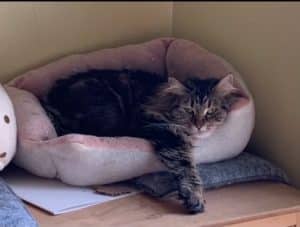
Sign: Your cat is either sleeping more than usual or seems restless during naps.
Why It Happens: Stress can cause sleep disturbances. If your cat is suddenly up all night or seems excessively sleepy, it may be due to anxiety or fear.
How to Fix It:
- Provide a quiet, comfortable resting area away from household disruptions.
- Keep the environment peaceful, especially at night—avoid loud noises or sudden movements.
- Keep a regular schedule, as predictability helps reduce stress.
Final Thoughts: Is Your Cat Plotting Revenge?
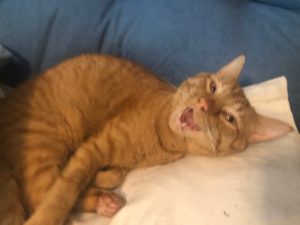
If you recognize any of these signs of stress in your cat, don’t panic. A few small adjustments can make a huge difference. Cats love a stress-free, predictable environment, so give them the royal treatment they expect.
Need Help Recognizing Signs of Cat Stress?
Need some help figuring out what’s stressing your cat? Book a session with Rita today!
Need Help Solving Your Cat’s Behavior Problems?
Book a private consultation with Rita Reimers, Certified Cat Behaviorist.
Book a Consultation

Leave a Reply