
Recognizing Stress in Cats Can be Tricky
by Rita Reimers, Multi Cat Behavior Expert
Is your cat acting out of character? Learn the signs of stress in cats, common causes, and proven ways to help your feline relax and feel safe again.
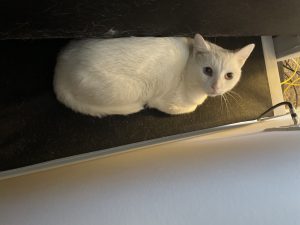
Is Your Cat is Stressed?
Ever looked at your cat and thought, “Why are you acting like you’ve seen a ghost?”
Cats are masters of disguise when it comes to stress, often hiding their discomfort until it’s reached epic proportions.
Whether it’s a new housemate (human or furry), noisy neighbors, or just a dirty litter box, your cat could be stressed—and letting you know in ways you might not even recognize.In this guide, we’ll uncover the subtle and obvious signs of stress in cats, the sneaky causes, and what you can do to bring peace back to your purr-pal’s world.
Subtle Signs Your Cat is Stressed

Stress in cats doesn’t always scream “problem!”—sometimes it whispers. Keep an eye out for these small but telling behaviors:
- Excessive Grooming or Over-Grooming
- Is your cat licking itself bald in patches? Stress could be to blame.
- Changes in Appetite
- Skipping meals or suddenly inhaling their food like it’s an Olympic sport can signal emotional distress.
- Hiding More Than Usual
- Cats love their cozy corners, but if Fluffy’s been MIA more often than not, stress might be keeping them there.
- Unusual Vocalizations
- Yowling, crying, or frequent meowing outside their usual behavior can point to anxiety.
Obvious Signs of Stress in Cats
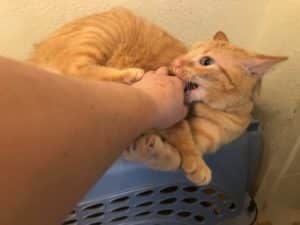
Sometimes the signs of feline stress are loud and clear (and possibly driving you bonkers):
- Inappropriate Litter Box Behavior
- Peeing or pooping outside the litter box is a classic sign of feline frustration or stress.
- Read more here about Litter Box Avoidance
- Aggression Toward Humans or Other Pets
- Sudden swats, bites, or general crankiness could mean your kitty feels threatened or overwhelmed.
- Read more here about Managing Aggression in Cats
- Destructive Scratching
- Your couch may have become a scratching post not out of rebellion, but stress relief.
- Read more about Cats and Scratching
- Excessive Pacing or Restlessness
- Does your cat wander aimlessly, unable to settle? That’s kitty stress in motion.
- Read Is My Cat Happy to help improve your cat’s contentment
Causes of Stress in Cats: What’s Triggering Your Feline?
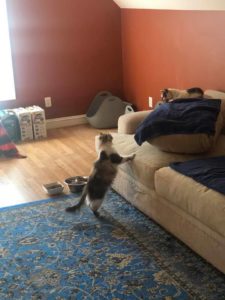
To help your cat, it’s important to pinpoint the triggers:
- Environmental Changes
- New furniture, moving houses, or loud renovations.
- New Pets or People
- A new cat, dog, or baby can throw your kitty’s world off balance.
- Dirty or Poorly Placed Litter Box
- Cats are clean freaks—if the litter box isn’t pristine, they’ll let you know.
- Boredom or Lack of Stimulation
- Cats need mental and physical enrichment to stay content.
 How to Calm a Stressed Cat: 5 Easy Solutions
Here’s how you can turn their stress into bliss:
- Create a Safe Space
- A quiet, cozy retreat away from chaos can work wonders.
- Stick to a Routine
- Cats thrive on predictability. Feed, play, and cuddle at regular times.
- Enrichment and Playtime
- Toys, vertical spaces (like cat trees), and interactive play sessions can keep their mind happy.
- Calming Aids
- Products like Cat Calm can soothe an anxious kitty.
- Consult a Cat Behaviorist
- Sometimes, professional help (like ahem, us!) is the fastest path to peace.
Now You Can Spot Signs of Stress in Cats
Spotting signs of stress in cats is all about understanding their subtle signals. By learning to recognize these signs and addressing the root causes, you can turn your cat’s stress into purrs and head-butts in no time.
If you’d like a PURRsonalized Action Plan for you, your cat, and your sofa (ha ha), please book a Cat Behavior Session with Rita.
Need Help Solving Your Cat’s Behavior Problems?
Book a private consultation with Rita Reimers, Certified Cat Behaviorist.
Book a Consultation

Leave a Reply