
Feline Shenanigans Explained (and how to fix them)
by Rita Reimers, Multi Cat Behavior Expert
Is your cat chasing invisible bugs, knocking over water glasses like it’s a hobby, or zooming through the house at 3 a.m.?
Relax, you’re not alone. Strange cat behaviors are pretty common among our feline friends.
Our feline friends have quirks that often leave us scratching our heads (and sometimes our furniture). Let’s decode those “weird” cat behaviors and, where needed, help you fix them.
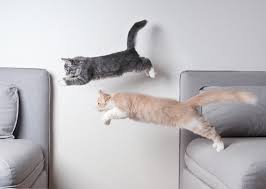
1. Zoomies at 3 a.m. (The Midnight Madness)
Why it happens: Cats are crepuscular, meaning they’re most active at dawn and dusk—just when you’re trying to sleep. In the wild, this is hunting time. For indoor cats, it’s a great time to release pent-up energy.
How to fix it:
- Play with your cat during the evening to tire them out. Use toys that mimic prey, like feather wands or laser pointers.
- Offer a small snack before bed; a full belly can promote sleep.
- Stick to a consistent sleep and feeding schedule to reset their internal clock.

2. Knocking Things Over (Is Your Cat a Tiny Chaos Agent?)
Why it happens: Cats are curious creatures who use their paws to explore and test objects. Sometimes they knock things over just to see what happens (hello, gravity!).
Other times, it’s just to get your attention.
How to fix it:
- Enrich their environment with cat-safe toys, climbing trees, and scratching posts.
- Avoid leaving tempting items—like glasses or fragile décor—near edges.
- If it’s attention-seeking, make sure they’re getting enough playtime and stimulation throughout the day.
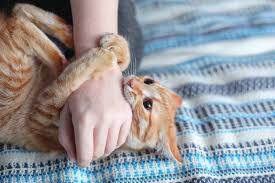
3. Biting During Petting Sessions (The “Love Hurts” Phenomenon)
Why it happens: This is often referred to as petting-induced aggression. Cats have sensitive nerve endings, and petting can become overstimulating after a while.
Biting is their way of saying, “I’ve had enough!”
How to fix it:
- Pay attention to warning signs: flicking tail, ears turning back, or skin twitching. Stop petting before they react.
- Keep petting sessions short and focus on areas most cats enjoy, like under the chin or behind the ears.
- Let your cat come to you for affection—don’t force it.

4. Randomly Staring Into Space (Ghosts or Just Cat Things?)
Why it happens: Cats have superior hearing and vision. What looks like a blank stare to us might be them tracking a tiny sound, subtle movement, or just daydreaming about their next nap.
How to fix it:
- No fixing needed! This behavior is harmless. Let your cat embrace their spooky, mysterious vibe.
 5. Scratching the Furniture (A Feline’s Favorite DIY Project)
Why it happens: Scratching is a natural behavior. Cats do it to stretch, sharpen their claws, and mark their territory. Your couch is just their canvas.
How to fix it:
- Provide scratching alternatives like sturdy posts and pads. Use catnip or treats to attract them.
- Cover favorite furniture spots with double-sided tape or furniture covers to make scratching less appealing.
- Trim your cat’s claws regularly to minimize damage.

6. Chattering at Birds (Tiny Hunters, Big Frustration)
Why it happens: Chattering is an instinctive behavior. It’s thought to mimic the “kill bite” cats use on prey. When your indoor cat sees a bird or squirrel outside, this instinct kicks in—frustration follows because they can’t catch it.
How to fix it:
- Set up a window perch for safe bird-watching. Add interactive toys to keep them engaged.
- Provide a cat TV experience—videos of birds or fish can be a great substitute. Check out Relax My Cat videos on YouTube.
 7. Bringing You “Gifts” (Dead Things and Toys)
Why it happens: Cats are natural hunters. When they bring you prey (or a toy mouse), they’re sharing their success with you—or teaching you how to “hunt” like a proud mentor.
How to fix it:
- Praise their “gift” to reinforce the bond (even if you’d rather not).
- Redirect hunting instincts with interactive toys or puzzle feeders.

Final Thoughts on Strange Cat Behaviors
Your cat’s “weird” behaviors are just part of what makes them endlessly fascinating—and lovable. Many quirks stem from instincts, so the key to managing these habits is understanding what’s behind them.
By enriching their environment and being patient, you can live harmoniously with your little mystery… who may still stare at walls and sprint at midnight, but hey, that’s life with cats!
Have a feline behavior you can’t decode? Contact an expert like Rita Reimers—certified cat behavior consultants with over 30 years of experience. She’ll help you and your cat find your PURRfect balance. Book a Cat Behavior Session.
Need Help Solving Your Cat’s Behavior Problems?
Book a private consultation with Rita Reimers, Certified Cat Behaviorist.
Book a Consultation

Leave a Reply