Litter Box Problems in Cats
Causes and Solutions
Basic Signs • Common Causes • When to Get Professional Help
Litter box problems are one of the most common and frustrating issues cat owners face. If your cat is suddenly peeing or pooping outside the box, it’s not random—and it’s not spite. Litter box issues almost always have an underlying cause, whether medical, environmental, or behavioral.
Understanding why your cat is having litter box problems is the first step to fixing them—and in most cases, the solution is more straightforward than you might think.

Signs Your Cat May Be Struggling
If your cat is having litter box problems or avoiding the litter box, you may notice:
-
Peeing beside or just outside the box
-
Urinating on soft items like beds, rugs, or laundry
-
Multiple small puddles or frequent urination around the house
-
Crying, straining, or making repeated attempts to urinate
-
Hesitating before entering the box or avoiding the area completely
-
A sudden change in habits from an otherwise reliable cat
These behaviors are your cat’s way of communicating discomfort, stress, or an underlying issue that needs attention.
Emergency Note:
If your cat is straining, crying, or producing only tiny drops, this is a medical emergency. Seek veterinary care immediately.
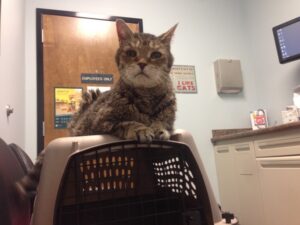
Medical Discomfort
Even when cats appear perfectly normal, underlying medical issues can quietly trigger litter box problems or avoidance. Always rule out medical issues before assuming litter box problems are behavioral.
Common medical causes include:
-
Urinary Tract Infection (UTI): Pain during urination can make the box feel unsafe.
-
Feline Lower Urinary Tract Disease (FLUTD) / Cystitis: Often stress-related; causes urgency and repeated attempts.
-
Bladder Crystals or Stones: Can cause painful blockages — especially dangerous for male cats.
-
Kidney Disease: Increased urine production may overwhelm normal litter box habits.
-
Diabetes: Causes excessive urination, sometimes leading to accidents.
-
Arthritis or Mobility Issues: Senior cats may avoid high-sided or top-entry boxes because they hurt to climb into.
Emergency Note:
If your cat is straining, crying, or producing only small amounts of urine, seek veterinary care immediately. A urinary blockage can be life-threatening.
Your first step should always be to rule out medical issues with your veterinarian.

Emotional or Stress-Related Litter Box Problems
Once medical issues are ruled out, the next most common cause of litter box problems is stress. Cats are highly sensitive to changes in their environment, and even small disruptions can affect their habits. Stress-related litter box problems are especially common in multi-cat households or during times of change.
Common stressors include:
-
New pets or people in the home
-
Visitors or loud noises
-
Changes in routine or work schedule
-
Rearranged furniture, moves, or home renovations
- Loss of a human or feline companion
-
Tension between cats in multi-cat households (Cat on Cat Aggression)
When stressed, many cats express discomfort through litter box behavior. They may avoid certain rooms, hesitate before entering the box, or choose softer, “safer-feeling” places like beds, blankets, or laundry.
Stress behaviors aren’t misbehavior — they’re communication. Understanding the trigger is the first step toward resolving the issue.
Even subtle tension or intimidation from another cat can cause avoidance, especially in multi-cat households.

3. Litter Box Setup Problems
A surprising number of litter box problems come down to the setup itself. Cats have clear preferences, and small changes to the litter box setup can make a big difference in their comfort and confidence.
Common setup problems include:
-
Not enough boxes
The ideal formula is simple: number of cats + 1 = number of litter boxes.
More boxes reduce stress and competition, especially in multi-cat homes. -
Box style isn’t cat-friendly
Avoid small, covered, or top-entry boxes — they trap odor and limit visibility.
Most cats prefer large, open, low-entry boxes they can easily get in and out of without feeling trapped -
Litter type isn’t appealing
Most cats prefer unscented, clumping litter with a fine, sand-like texture.
Scented litters are made for people, not cats — and can cause avoidance. -
Placement isn’t ideal
Avoid placing boxes near noisy appliances, tight corners, or busy walkways.
Cats feel safest in quiet, open, easy-to-access locations where they won’t be startled.
In multiple-story homes, aim for boxes on each level. -
Cleanliness issues
Scoop at least once daily (twice is ideal) and refresh litter regularly.
A box that smells unpleasant to you will smell overwhelming to your cat, and may cause them to avoid it entirely.
A few simple adjustments to box number, size, type, and location can often resolve litter box problems quickly—especially when paired with reducing stress in the home.
Small adjustments to the litter box setup often make a big difference.

Negative Associations
Sometimes a cat will develop litter box problems because something frightened or startled them nearby. Cats form strong associations, and if the litter box becomes linked with a scary or uncomfortable experience, they may avoid it entirely.
Common examples include:
-
A loud appliance turning on suddenly
-
A door slamming or something falling nearby
-
Being ambushed by another cat while in the box
-
A painful urination episode caused them to associate the box with discomfort
-
Being startled or scolded by a human in that space
Once a negative association forms, a cat may choose a quieter or more hidden location that feels safer. Rebuilding confidence often requires adjusting the box location, reducing stress, and helping the cat feel safe using the litter box again.
Cats remember negative experiences very deeply, especially when they’re linked to the litter box.
What You Can Do Next
This guide explains the most common reasons behind litter box problems and the first steps you can take to help your cat. But every home — and every cat — is different. Stress levels, personality traits, multi-cat dynamics, and past experiences all play a role.
If you’ve ruled out medical concerns and adjusted your litter box setup but the problem continues, your cat may need a personalized strategy tailored to your household. With the right plan, most cats return to reliable litter box habits quickly, and stay that way.
Every cat is different, and so is every solution.
If your cat is still struggling, a personalized plan can make all the difference. I’m here when you’re ready.