When to Call the Vet (or a Cat Behaviorist)
by Rita Reimers, Multi Cat Behavior Expert

Concerning cat behaviors usually turn out to be nothing but your cat has quirks or is having a bad day. But dismissing them too quickly could be a mistake, since they could be sign of other problem or illness. Some changes in behavior might indicate a health or behavioral issue that needs attention.
How can you tell the difference between a cat that has weird quirks (like zooming around the house at 3am!) or if you should be a little worried?
Here are 8 Concerning Cat Behaviors that Need Investigating
1. Sudden Aggression: From Sweet to Spicy

If your normally affectionate cat suddenly starts channeling their inner tiger and attacking you, other pets, or even inanimate objects (yes, we’ve seen it), it could be a sign of pain, stress, or an underlying medical condition.
Arthritis, dental pain, or even thyroid issues can make a cat cranky. Rule out health issues with a vet visit first, and if they get a clean bill of health, a cat behaviorist can help with stress management and redirection techniques.
2. Excessive Hiding: Cat or Secret Agent?
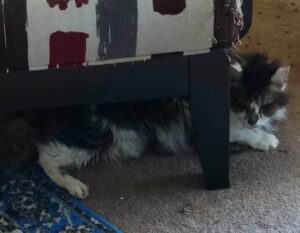
Most cats enjoy a good hiding spot, but if your cat has suddenly become a recluse, spending all their time under the bed or in a closet, something’s up.
Pain, illness, stress, or fear could be the culprit. If this is a new behavior, a vet visit should be your first step.
3. Over-Grooming: When Bath Time Becomes a Problem
 Cats are excellent self-groomers, but if yours is licking themselves bald, this is not just a fashion choice. Over-grooming can be a response to allergies, skin issues, pain, or stress.
If your cat is turning into a hairless wonder in patches, it’s time to consult your vet and potentially a behaviorist to address underlying causes.
Review our article, Is Your Cat Stressed for more information
4. Avoiding the Litter Box: The Stinky Situation
 A cat that suddenly stops using the litter box isn’t doing it out of spite (despite what your frustration may tell you). This can be a sign of a urinary tract infection, kidney disease, or other medical issues.
If health concerns are ruled out, the problem could be stress, a dislike of the litter type, or a territorial dispute with another pet. A behaviorist can help identify the issue and find a solution.
Learn more about Litter Box Avoidance here
5. Excessive Meowing: Is Your Cat Holding a TED Talk?

Some cats, like Siamese, are naturally talkative, but if your cat suddenly starts meowing non-stop, pay attention. They could be in pain, feeling anxious, or suffering from cognitive dysfunction (especially in older cats).
If your chatty kitty is keeping you up all night with their philosophical ramblings, check with your vet first, then work with a behaviorist to find ways to soothe them.
6. Loss of Appetite: Skipping Meals Isn’t Normal
Cats are not the kind of creatures to voluntarily skip a meal (unless they’re being dramatic about their food bowl being half-empty). If your cat suddenly refuses to eat, this is a major red flag. Dental pain, kidney disease, or even stress can be the cause. A vet visit is non-negotiable in this case.
7. Sudden Clinginess or Neediness
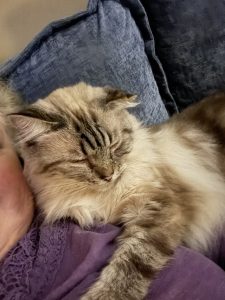
If your independent cat suddenly turns into a velcro kitty, following you around, demanding constant attention, or acting restless when left alone, it could be a sign of anxiety or even a medical issue.
Thyroid problems and cognitive dysfunction can cause behavior changes in senior cats, while younger cats might be experiencing stress from changes in their environment.
8. Pica: Eating Non-Food Items
Does your cat think plastic bags, fabric, or paper are part of a well-balanced diet? This behavior, called Pica, can be caused by nutritional deficiencies, stress, or even an underlying health condition. This is definitely a cat behavior to be concerned about.
If your cat is eating things they shouldn’t, get them checked by a vet and work on providing enrichment to keep their mouth occupied with appropriate toys.
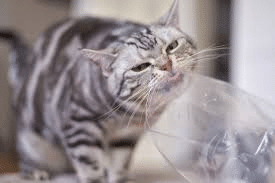 Did You Know: Plastic bags, like grocery bags for examples, are covered with a slick agent for they won’t stick together. Guess what that is usually made from? BEEF FAT! No wonder my Simba tries to carry them away when I am unpacking groceries! PLUS they make that crinkle noise cats love. The bag might also smell like the food you brought home in them.
For more information about PICA, review this video and article from The Two Crazy Cat Ladies: How to Help Cats With Pica
When to Seek Professional Help
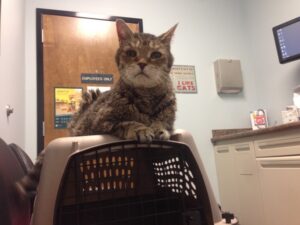
There are indeed cat behaviors to be concerned about that could be a sign of a problem. If your cat is showing any of these behaviors, the first step is always a vet visit to rule out medical causes.
If your vet gives the all-clear, it’s time to consult a cat behaviorist (hey, that’s what we’re here for at Cat Behavior Alliance!). Many behavior issues can be resolved with environmental changes, enrichment, and proper training—no punishment required.
Cats can’t tell us when something is wrong, but they do communicate through their behavior. Paying attention to sudden changes can help keep your feline friend healthy and happy!
Need Help Solving Your Cat’s Behavior Problems?
Book a private consultation with Rita Reimers, Certified Cat Behaviorist.
Book a Consultation

Leave a Reply