Don’t miss the signs your cat is stressed. Cats often hide anxiety until it begins affecting their behavior, appetite, grooming, or litter box habits. Learning to recognize the early warning signs can help you address the cause before your cat’s stress becomes a larger problem.
by Rita Reimers, Certified Cat Behaviorist
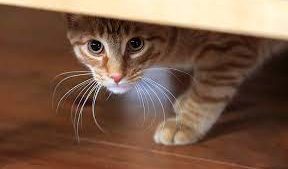
De-stress Your Kitty Today – Follow My Guide
You love your cat. You provide gourmet meals, the best scratching posts, and even let them sleep in your bed. Let’s be honest, they own it now.
But despite all that, your cat may still be secretly stressed and plotting revenge. 😼
Here are 10 subtle signs your cat is stressed, plus simple ways to help before stress turns into bigger behavior problems.
1. Excessive Grooming: The Bald Spot Blues

Sign: Your cat is licking, chewing, or pulling out fur like they’re preparing for a feline fashion show, but with unfortunate bald spots.
Why It Happens: Stress in cats can trigger compulsive grooming as a coping mechanism. It’s similar to when humans bite their nails, except your cat may end up with patchy fluff. This can be one of the signs your cat is stressed, but it may also be caused by food allergies, fleas, pain, or skin irritation, so rule those out first.
What to Do Next:
- Rule out medical issues first. Over-grooming can also be linked to allergies, parasites, pain, or skin problems.
- Identify the stressor. Identify the stressor. Did you move the couch three inches? Introduce a new pet? Switch laundry detergent? Cats notice everything.
- Reduce stress naturally with more play, added vertical space, safe hiding areas, consistent routines, and gentle calming support such as Rescue Remedy for Cats.
PRO TIP: Not all grooming is caused by stress. Some grooming is normal, affectionate behavior between cats. Read Why Cats Lick Each Other to learn when grooming is social and when it may be a problem
2. Avoiding the Litter Box: A Smelly Protest

Sign: Your cat, once a reliable litter box user, is now peeing or pooping outside the box, or hesitating before stepping in. This can be one of the signs your cat is stressed or anxious.
Why It Happens: Stress can make your cat feel uneasy about using the litter box, especially if it is dirty, in a busy area, hard to access, or filled with a litter they dislike.

What to Do Next
- Keep the litter box clean. Cats dislike a dirty toilet as much as you do.
- Try different litter textures and unscented options to see what your cat prefers.
- Place boxes in quiet, low-traffic, easy-to-reach locations.
- Most cats do best with more than one litter box. Even a single-cat household should ideally offer two options.
- A quality enzymatic cleaner is important for fully removing odor. There are several good choices, but Anti Icky Poo has been my dependable standby for years.
PRO TIP: Litter box problems are often fixable once you identify the cause. See my Litter Box Guide for step-by-step help.
3. Hiding More Than Usual: The Vanishing Act
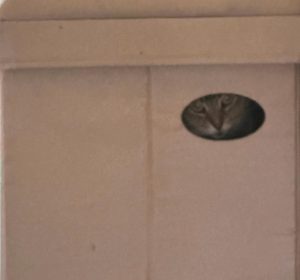
Sign: Your cat is suddenly harder to find than your motivation to do laundry. If they are spending much more time under the bed, in closets, behind furniture, or tucked into small spaces, this can be one of the signs your cat is stressed.
Why It Happens: When cats feel overwhelmed or anxious, they often hide to feel safer and more in control. If your cat used to relax near you on the couch but now avoids open areas, stress may be the reason. Pain or illness can also cause hiding, so sudden changes should be taken seriously.
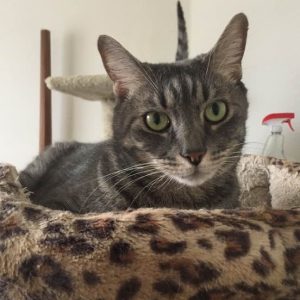
What to Do Next:
- Create safe zones with cozy beds, cat trees, or cardboard boxes in quiet areas where your cat can retreat.
- Let your cat come out on their own terms. Avoid forcing interaction.
- Reduce household stressors such as loud noises, conflict with other pets, or sudden routine changes.
- Keep food, water, and litter boxes easy to access while your cat feels uneasy.
- If hiding starts suddenly or becomes extreme, consult your veterinarian to rule out medical issues.
PRO TIP: Hiding is not always caused by stress. Sudden hiding can also be a sign your cat is unwell. Read Is My Cat Sick? to learn common warning signs that need attention.
4. Random Aggression: Mood Swings of Doom

Sign: Your sweet furball has suddenly turned into a tiny, rage-fueled tornado of claws, biting, swatting, growling, or lashing out when that behavior is unusual for them.
Why It Happens: Aggression is rarely truly random. Stress can cause a normally calm cat to react defensively, especially if they feel cornered, overstimulated, frightened, or frustrated. Pain or illness can also trigger sudden aggression and should be ruled out.
What to Do Next:
- Give your cat space. Forcing cuddles when they are not in the mood is a terrible idea.
- Watch for patterns. Does it happen during petting, near another pet, by windows, or around loud activity?
- Reward calm behavior with treats, play, and gentle positive reinforcement.
- If conflict involves another pet, separate first, then do slow reintroductions rather than a “figure it out” approach.
- If aggression is sudden, intense, or escalating, consult your veterinarian and a qualified behavior professional.
PRO TIP: Interactive play is one of the best ways to reduce feline stress and boredom. Learn more in How to Play with Your Cat.
5. Pacing or Restlessness
Sign: Your cat is pacing the house like a stressed-out CEO before a big presentation, unable to settle, constantly moving, or wandering while seeming uneasy.
Why It Happens: Stress, boredom, frustration, or excess energy can lead to pacing and restlessness, sometimes with extra vocalizing. Your cat may feel unsettled by changes in the home, lack of stimulation, conflict with another pet, or internal anxiety.
What to Do Next:
- Add vertical territory such as cat trees, shelves, or window perches where your cat can observe and feel secure.
- Increase interactive play sessions each day to help burn energy and reduce tension.
- Offer food puzzles or enrichment toys that engage the mind.
- Keep a predictable routine for meals, playtime, and household activity whenever possible.
- If pacing is sudden, repetitive, nighttime-only, or unusual for your cat, consult your veterinarian to rule out medical causes.
PRO TIP: Regular play can reduce stress, boredom, and restless behavior. See my article How to Play with Your Cat for simple ways to keep your cat mentally and physically engaged.
👉Still not sure why your cat is stressed? A Consultation can uncover the cause.
6. Sudden Appetite Changes: Buffet or Boycott?
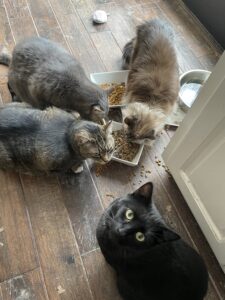
Sign: Your cat is suddenly eating everything in sight, picking at meals, or refusing food altogether. Changes in appetite can be one of the signs your cat is stressed, but they can also signal medical problems.
Why It Happens: Stress can affect appetite much like it does in humans. Some cats overeat for comfort, while others lose interest in food when anxious or unsettled. Changes in the home, conflict with other pets, illness, pain, or nausea can also affect eating habits.
What to Do Next:
- Keep mealtimes as consistent as possible. Cats thrive on routine.
- Feed in a quiet, calm area with minimal distractions.
- Watch for tension around food bowls if other pets are nearby.
- Track how much your cat is actually eating rather than guessing.
- If your cat refuses food, eats far less than normal, vomits, or seems unwell, contact your veterinarian promptly.
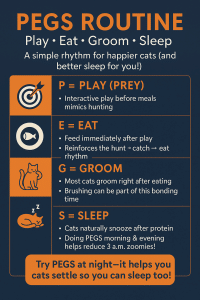
PRO TIP: My cats now eat at consistent times, but that was not always possible, especially when I worked as a cat sitter. If your schedule changes because of work or school, create a simple mealtime routine. Use the same cue words each time, such as “Something to eat?” or “Are you hungry?” The routine and repeated words help cats know what to expect.
BONUS TIP: Use my PEGS Routine to make meals and daily activities feel more consistent and reassuring.
7. Flicking Tail or Pinned Ears: The Warning Signals
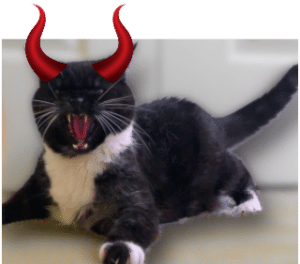
Sign: Your cat’s tail is twitching like it’s receiving radio signals from space, or their ears are flattened back against the head.
Why It Happens: A flicking tail and pinned ears can be warning signals that your cat feels annoyed, overstimulated, fearful, or anxious. Cats often communicate discomfort through body language before growling, swatting, or leaving.
What to Do Next:
- Respect boundaries. If your cat is showing irritation, stop petting or interacting.
- Give your cat space and allow them to calm down on their own terms.
- Learn their personal signals. Flattened ears, a twitching tail, tense posture, or dilated pupils often mean “I need a break.”
- Reduce noise, chaos, or unwanted handling if your cat seems overstimulated.
- Reward calm interactions by ending on a positive note before frustration builds
PRO TIP: Learning feline body language can help you spot stress early and prevent bites or scratches.
BONUS: See my cheat sheet on Cat Body Language for quick visual cues.

8. Excessive Meowing or Yowling: The Midnight Megaphone

Sign: Your cat is meowing or yowling far more than usual, especially at night when you are trying to sleep.
Why It Happens: Cats vocalize to communicate. Increased meowing can happen when they feel stressed, anxious, bored, confused, lonely, uncomfortable, or in pain. Some cats also become more vocal when routines change.
What to Do Next:
- Increase daytime enrichment with play sessions, climbing space, and mental stimulation.
- Play with your cat before bedtime to help them settle at night.
- Keep evening routines calm and predictable.
- Make sure food, water, litter boxes, and sleeping areas are easy to access.
- Avoid rewarding nighttime yowling with exciting attention if it has become a learned habit.
- If vocalizing is sudden, intense, or persistent, schedule a veterinary checkup to rule out pain or illness.
PRO TIP: Some cats simply love to talk, but changes in vocal habits matter. See The Cat’s Meow and What it Means to decode what your cat may be telling you
9. Knocking Things Over or Destructive Behavior

Sign: Your cat has suddenly become a tiny wrecking ball, knocking items off shelves, scratching furniture, shredding paper, or getting into everything in sight. This can be one of the signs your cat is stressed or bored.
Why It Happens: Cats explore with their paws and claws, but sudden increases in destructive behavior can point to boredom, frustration, stress, excess energy, or learned attention-seeking behavior. Your cat may also need better outlets for climbing, scratching, hunting, and play
What to Do Next:
- Provide appropriate scratching posts, cat trees, and climbing options.
- Increase daily interactive play sessions to burn energy and reduce frustration.
- Rotate toys to keep them interesting.
- Put fragile or tempting objects out of reach while training new habits.
- If behavior happens mainly when you are away, use food puzzles, window views, or enrichment activities to occupy your cat.
- Reward appropriate scratching and play choices instead of focusing only on mistakes.
PRO TIP: Some cats knock things over out of boredom, curiosity, or frustration. Read my article Why Cats Love to Knock Things Over to better understand this classic feline habit.
10. Changes in Sleeping Habits: Sleepless or Sleeping Too Much?
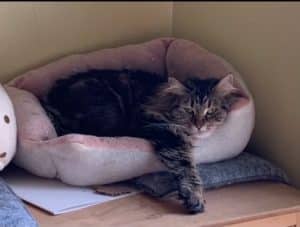
Sign: Your cat is suddenly sleeping far more than usual, sleeping in unusual places, waking often, or seeming restless during naps.
Why It Happens: Stress can disrupt sleep patterns. An anxious cat may stay alert, pace at night, or struggle to settle. Other cats may withdraw and sleep more than usual. Pain, illness, aging changes, or cognitive decline can also affect sleep habits.
What to Do Next:
- Provide a quiet, comfortable resting area away from busy household activity.
- Keep nighttime routines calm and predictable.
- Offer safe sleeping options such as beds, cat trees, or cozy hideaways.
- Make sure other pets are not disturbing your cat’s rest.
- If sleep changes are sudden, extreme, or paired with appetite or behavior changes, schedule a veterinary checkup.
PRO TIP: Cats naturally sleep a lot, but sudden changes in sleep habits can mean something is off. Read my article Why Cats Sleep So Much to learn what is normal and what may need attention.
Signs Your Cat is Stressed Final Thoughs
Is Your Cat Plotting Revenge?

If you recognize any of these signs of stress in your cat, don’t panic. Small changes to your cat’s environment, routine, and daily enrichment can make a big difference. Cats usually do best in a calm, predictable home where they feel safe and understood.
The sooner you notice changes in behavior, the easier it is to help your cat feel better and prevent bigger problems from developing.
If signs of stress are severe, sudden, or ongoing, check with your veterinarian to rule out medical causes.
Tried the Advice and Still Having the Problem?
You can read all the cat behavior advice in the world, but your cat, your home, and your situation are unique.
Stop guessing. You need Rita.





 Put Your Cat on the Analyst's Couch
Leave a Reply