The Finicky Feasts of Senior Cats: A Culinary Drama
by Rita Reimers, Multi Cat Behavior Expert

Senior cat Eating habits can be worrisome. If you’ve ever tried to please a senior cat at mealtime, you already know you’re not running a kitchen—you’re running a five-star restaurant with the world’s toughest food critic. Welcome to the feline dining Olympics, where the stakes are high, the noses are upturned, and your patience is perpetually tested.
Senior cats, much like human seniors, can develop particular tastes and habits around food. Some of it is due to health issues, others due to age-related fussiness, and the rest… well, because they can. Let’s break down why your golden-aged feline friend might suddenly decide their favorite food is now culinary garbage, and what you can do to get them happily munching again.

Why So Picky? The Culprits Behind Finicky Feline Eating
- Health Issues: The Plot Thickens As cats age, medical problems can creep in like uninvited dinner guests. Dental disease, kidney issues, arthritis, and digestive troubles can make eating difficult or unappetizing. Imagine being asked to eat a steak with a toothache—suddenly, kibble doesn’t seem so appealing.Pro Tip: If your cat suddenly snubs their food, consult your vet. Sometimes a simple dental cleaning or special diet can work wonders.
-

Senior Kitty Hope Declining Senses: Food That Tastes Like Nothing Senior cats often experience a dulling of their senses, including smell and taste. If their tuna-flavored gourmet delight suddenly tastes like cardboard, can you blame them for turning up their nose? It’s like being served plain toast when you were promised lobster.What You Can Do: Warm up their food slightly. Heat releases aroma, which can make it smell more enticing. Just don’t nuke it like leftovers—no one wants to burn their whiskers.
-

Senior Kitty Maxwell Texture Troubles: I’ll Take This in Pâté, Please For some senior cats, chewing dry food becomes more of an Olympic sport than a meal. If their teeth or gums are sensitive, they might start demanding softer textures like pâté or shredded wet food.Solution: Experiment with different textures. You might find your cat suddenly loves broth-based foods or finely minced varieties. And no, they won’t give you a thank-you card—but they’ll stop glaring at you.
How to Win the Food Battle: Tips & Tricks
 So how do you transform your stubborn senior into a happily fed fluffball? You don’t negotiate—you adapt. Here are some strategies:
- Become a Food Detective: Start tracking what your cat actually likes. Do they turn their nose up at chicken but inhale anything with salmon? Do they prefer pâté over chunky stew? Jot it down and curate a menu worthy of your whiskered diva.
- Serve Small, Frequent Meals: Older cats often prefer smaller portions spread throughout the day. Think of it as tapas for cats—tiny meals, frequently served, that keep them coming back to the table.
- Add a Sprinkle of Temptation: A little topper can make all the difference. These little extras can take food from “meh” to “me-wow!” without much effort. Consider:
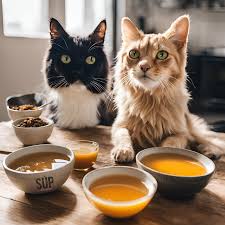 Mix It Up, But Not Too Much: Variety is important, but sudden changes can upset their tummy. Slowly introduce new flavors or brands if they start refusing old favorites.
- Hydration, Hydration, Hydration: Many senior cats don’t drink enough water, which can lead to dehydration and kidney stress. Wet food is a lifesaver here—it’s tasty and hydrating. Two birds, one pounce.
When All Else Fails: The Power of Bribery
 Yes, sometimes you just have to resort to bribes when working to improve senior cat eating habits. If your cat is still turning up their nose, break out the big guns:
- Warming up food to intensify the aroma
- Offering plain boiled chicken or baby food (no onions or garlic!)
- Hand-feeding your cat for extra TLC—it’s more love, less “waitstaff” vibes
And remember: If your senior cat’s eating habits change dramatically, or they’re losing weight, it’s always worth a trip to the vet to rule out medical issues.
And The Final Course: Patience
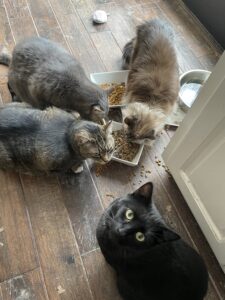
At the end of the day, senior cats have earned the right to be a little finicky. They’ve been with you through thick and thin, and if they want their salmon slightly warmed and served on a special plate… well, they’re royalty, and you’re just living in their castle.
So take a deep breath, adjust the menu, and remember—one day you, too, may insist your dinner be served at exactly 5:00 p.m. sharp on the good china.
Until then, keep calm and cater on!
Tried the Advice and Still Having the Problem?
You can read all the cat behavior advice in the world, but your cat, your home, and your situation are unique.
Stop guessing. You need Rita.



 Put Your Cat on the Analyst's Couch
How many seconds should I warm Up a 3 ounce can of wet food for a senior cat?
Hi Ron,
it depends on how much food is in the dish, and if it has been at room temperature or in the fridge. I would start with 3 to 5 seconds, then stir it up to make sure all the cold and hot places get mixed together. Then test it with your fingers to make sure it’s not too hot. If it’s still cold, repeat the process. You could also stir in some warm water or broth to help heat the food evenly throughout as well.
Hope this helps,
Rita