
How to Redirect and Manage Cat Scratching Behavior
by Rita Reimers, Multi Cat Behavior Expert
Scratching is a natural cat behavior, used to mark territory, stretch those paws, and maintain their claws. However, when this behavior is directed towards furniture or other unwanted areas, it can be frustrating.
9 Cat Scratching Solutions
1. Provide Appropriate Scratching Posts
 Types of Cat Scratching Posts
- Variety: Offer a variety of scratching posts, such as vertical posts, horizontal scratchers, and angled scratchers to cater to your cat’s preferences.
- Materials: Choose posts made of different materials like sisal, carpet, and cardboard.
 Placement of Cat Scratchers
- Strategic Locations: Place scratching posts in areas where your cat likes to scratch, such as near furniture, windows, and their favorite resting spots.
- High-Traffic Areas: Position posts in high-traffic areas of your home, where your cat spends a lot of time.
2. Make Unwanted Surfaces Unattractive to Scratch
 Deter your cat by making surfaces unpleasant to touch
- Double-Sided Tape: Apply double-sided tape to furniture or other surfaces where your cat likes to scratch. Cats dislike the sticky texture.
- Aluminum Foil: Cover surfaces with aluminum foil, which cats generally dislike due to its texture and sound.
- Citrus Sprays: Use cat-safe citrus sprays, as many cats find citrus scents unpleasant.
3. Use Positive Reinforcement
 Rewarding Good Behavior and use of cat scratchers
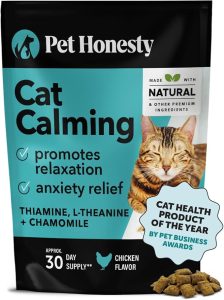
- Treats and Praise: Whenever your cat uses the scratching post, reward them with treats, praise, or playtime to reinforce the behavior. Pro Tip: Use calming treats during training!
- Interactive Play: Engage your cat in play near the scratching post to encourage its use.
4. Maintain Your Cat’s Claws
 Regular Claw Trimming
- Routine Trims: Trim your cat’s claws regularly to reduce damage from scratching. Use cat-specific nail clippers and be careful not to cut too close to the quick.
- Training: Gradually get your cat accustomed to having their paws handled and claws trimmed.
5. Redirect the Cat Scratching Behavior
 Distraction Techniques
- Toys and Play: Redirect your cat’s attention to toys or interactive play sessions when you catch them scratching inappropriate surfaces.
- Laser Pointers: Use laser pointers or feather wands to lead your cat to the scratching post, encouraging them to use it.
6. Create an Enriched Environment

Stimulating Activities
- Climbing Structures: Provide cat trees, shelves, and other climbing structures to keep your cat entertained and reduce boredom.
- Puzzle Toys: Use puzzle toys or treat-dispensing toys to engage your cat mentally and physically.
7. Training and Behavior Modification
 Clicker Training: Reinforce Good Cat Scratching Behavior
- Clicker Training: Use a clicker to mark and reward desired behavior. Click and reward your cat when they use the scratching post
8. Consistency: The Key to Solving Cat Scratching Behavior
- Routine Reinforcement: Consistently reinforce the use of scratching posts and deter scratching of inappropriate surfaces.
9. Seek Professional Help
 Schedule a Vet Visit
- Health Check: If your cat’s scratching behavior seems excessive or is accompanied by other behavioral changes, consult your veterinarian to rule out any underlying health issues.
Seek Help from a Cat Behaviorist
- Professional Cat Training: If necessary, seek help from a certified animal behaviorist who can provide tailored strategies to address your cat’s scratching behavior, like ME!
Cat Scratching Solutions – In Conclusion…
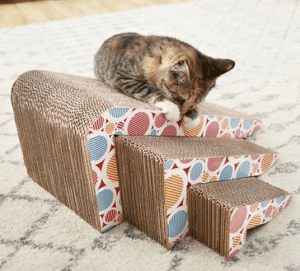 Preventing cats from scratching unwanted surfaces involves providing appropriate alternatives, using deterrents, and positively reinforcing good behavior.
By creating an enriched environment and maintaining your cat’s claws, you can manage and redirect their scratching habits. Patience, consistency, and understanding your cat’s natural instincts are key to achieving a harmonious home.
Need Help with Your Cat’s Behavior?
Rita Reimers provides judgment-free virtual cat behavior consultations for litter box issues, aggression, introductions, anxiety, and more.
Book Your Private Session with Rita
Leave a Reply